All Categories
Featured
Leveraging Customer Feedback to Boost Authority
They're entities and subtopics that indicate topical depth Build Content That Demonstrates Genuine Know-how and Trust Google's E-E-A-T structure (Experience, Proficiency, Authoritativeness, Credibility) is main to how content quality is assessed in 2026, especially for YMYL (Your Money, Your Life) subjects like health, finance, and legal guidance. Experience Has the author actually done what they're composing about? First-hand experience signals initial images, case studies, personal anecdotes strongly separate your material from generic AI-generated text.
Construct authority through quality backlinks, industry citations, brand name points out, and consistent publishing on your core topic. Usage HTTPS, include clear author bios, cite reputable sources, preserve accurate contact information, and keep content up to date.
They're your page's table of contents for both human beings and AI. Online search engine use headers to extract crucial subjects, produce included snippets, and construct AI Introduction responses. ? One only AI Overview Idea Phrase some H2/H3 headers as questions (e.g., "What Is an H1 Tag?" or "How Do You Enhance a Meta Description?").
[target2:anchor_exact1]Regularly Update Content to Keep Ranking Position Material freshness is a significant ranking aspect for time-sensitive inquiries. Pages that when ranked well but haven't been upgraded in 1218 months often experience "content decay" a progressive drop in rankings as fresher, more updated rivals outperform them. Material Refresh Checklist? Update the publication date when you make significant modifications (not just cosmetic edits)? Change outdated stats with existing information (with source links)? Remove or upgrade suggestions that no longer shows current finest practices? Add new sections covering subjects that have emerged because initial publication? Repair damaged internal and external links? Replace out-of-date screenshots or images? Check that the page still matches the dominant search intent for the target keyword Phase 4: Links, Media & UX Develop the Internal Architecture That Relocations Rankings Construct a Strategic Internal Link Network Internal links are how Google finds, indexes, and understands the relationship between your pages.
How Local SEO Drives ROI
Internal Connecting Finest Practices? Usage detailed anchor text: Connect text like "on-page SEO checklist" is much more beneficial than "click on this link" it informs Google precisely what the linked page has to do with? Connect from high-traffic pages to essential pages: Determine your best-performing material and include internal links to pages you wish to rank? Fix orphan pages: Every page on your site should be linked from a minimum of one other page orphan pages seldom rank? Usage topic clusters: Arrange material into a hub-and-spoke model one thorough "pillar" page on a broad topic linked to and from a number of more in-depth "cluster" pages? Don't over-link: 35 internal links per 1,000 words is a reasonable guideline.
[target1:anchor_exact1]One detailed pillar page (e.g., "Total SEO Guide") links to and gets links from cluster pages (e.g., "On-Page SEO," "Technical SEO," "Link Structure"). Link to High-Authority External Sources Tactically Linking out to trustworthy external sources, original research, authoritative publications, government websites, peer-reviewed journals signals to Google that your content is well-researched and reliable.
? Usage rel="nofollow" for paid links or untrusted sources Make Every Image Work Harder for Your SEO Images are one of the most overlooked on-page SEO opportunities.
What's New in 2026 Search Engine Visibility
Total Image Optimization Checklist OPTIMIZATION HOW TO DO IT effect Submit format: Use WebP or AVIF Convert JPEGs/PNGs to WebP utilizing tools like Squoosh or an image CDN High Compress before submitting Usage TinyPNG, ShortPixel, or Imagify; target Phase 5: Technical On-Page Aspects The Technical Layer That Powers Your Rankings Implement Structured Data to Win Rich Outcomes Schema markup (structured data) is code contributed to your HTML that assists search engines comprehend the significance of your material, not just the words, but the entities, relationships, and context those words represent.
Shows author, publish date, and headline in search. Important for ecommerce pages. Critical for brick-and-mortar local SEO.

Latest Posts
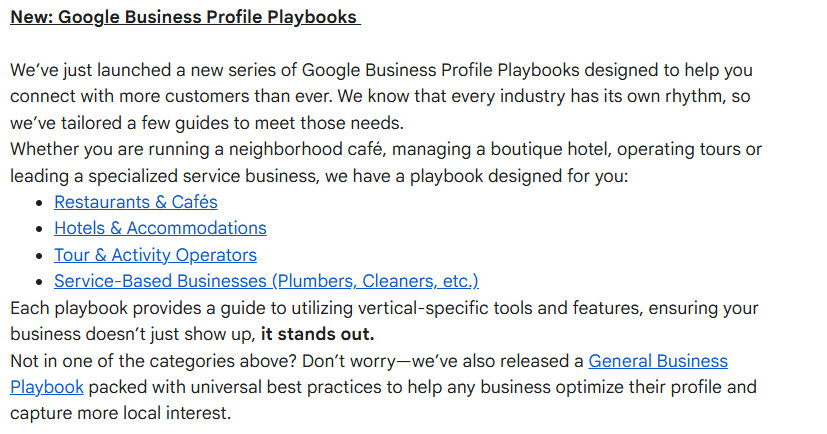
Ways to Optimize the 2026 Local Map Pack
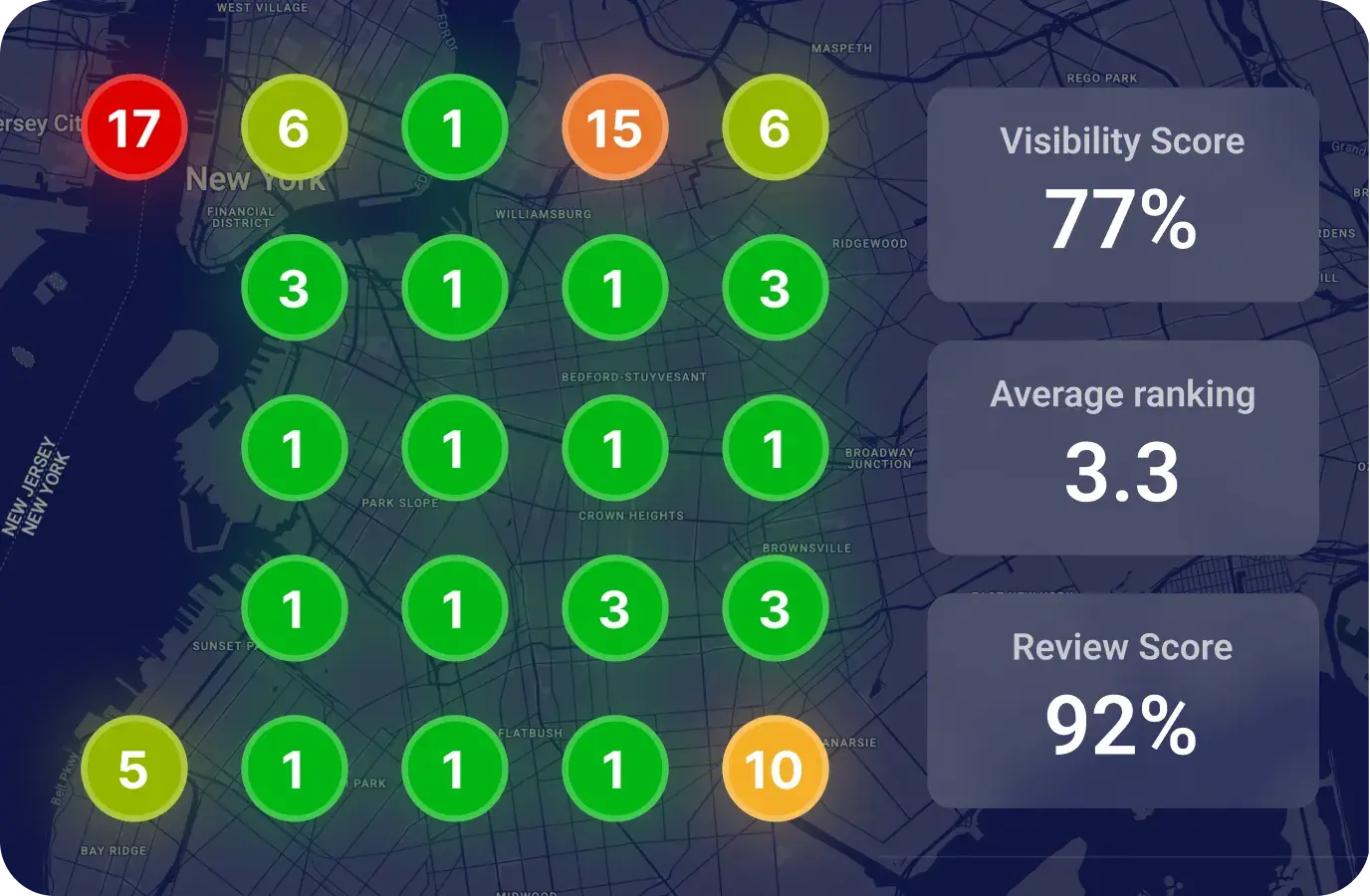
Winning the Featured Position in Map Pack

Securing the Featured Position in the Search Results